HCl Pricing: Present regarding Market Analysis
HCl Pricing: Present regarding Market Analysis
Blog Article
The HCl cost sector is now seeing notable volatility due to a complex combination of factors. Worldwide distribution network disruptions, growing raw material prices, particularly concerning natural gas – a vital source – are largely contributing to the cost increases. Consumption persists relatively strong across different industries, like steel production, chemical processing, and water treatment. Regional differences in values persist due to logistics expenses and specific economic conditions. Researchers forecast continued cost volatility in the short term while long-term equilibrium will depend on resolving supply chain constraints and international economic conditions.
Hydrochloric Acid Price Per Ton : A Complete Guide
Understanding the prevailing price of hydrochloric acid per metric ton is essential for businesses that employ it. Numerous factors impact the price , including feedstock expenses , production overheads, delivery fees , and general market climate . Generally, the price can vary significantly, from approximately $low_price_range to $high_price_range per metric ton , dependent on concentration, location , and provider. The guide aims to explore these factors in more length, offering perspective into forecasting future muriatic acid pricing trends .
Hydrochloric Acid Bulk Price: Factors Influencing Costs
The prevailing cost of bulk hydrochloric HCl is significantly influenced by a variety of factors . Raw material supply , particularly salt , plays a major role , as it’s the primary feedstock for its manufacture . Energy costs , necessary for the chlor-alkali procedure , substantially shape HCl charges. Logistics expenses , which rely on fuel prices and infrastructure availability , also factor to the overall charge. Finally, commercial need from diverse applications like metals processing and agricultural processing can create rate variations .
Here's a summary of influencing factors:
- Raw Material Value
- Utility Expenses
- Shipping Fees
- Market Demand
Understanding Hydrochloric Acid Bulk Pricing Strategies
Navigating the challenging landscape of hydrochloric muriatic acid bulk pricing can be a keen understanding of several elements. The cost of large-volume hydrochloric orders isn't merely a single number; it changes based on stock, usage, delivery costs, and grade specifications. Often, suppliers offer tiered pricing structures, so click here significant amounts unlock lower each prices. Furthermore, contract agreements generally secure improved rates compared to one-time buys. Consider too the impact of exchange rates and any applicable duties when assessing quotes from multiple vendors.
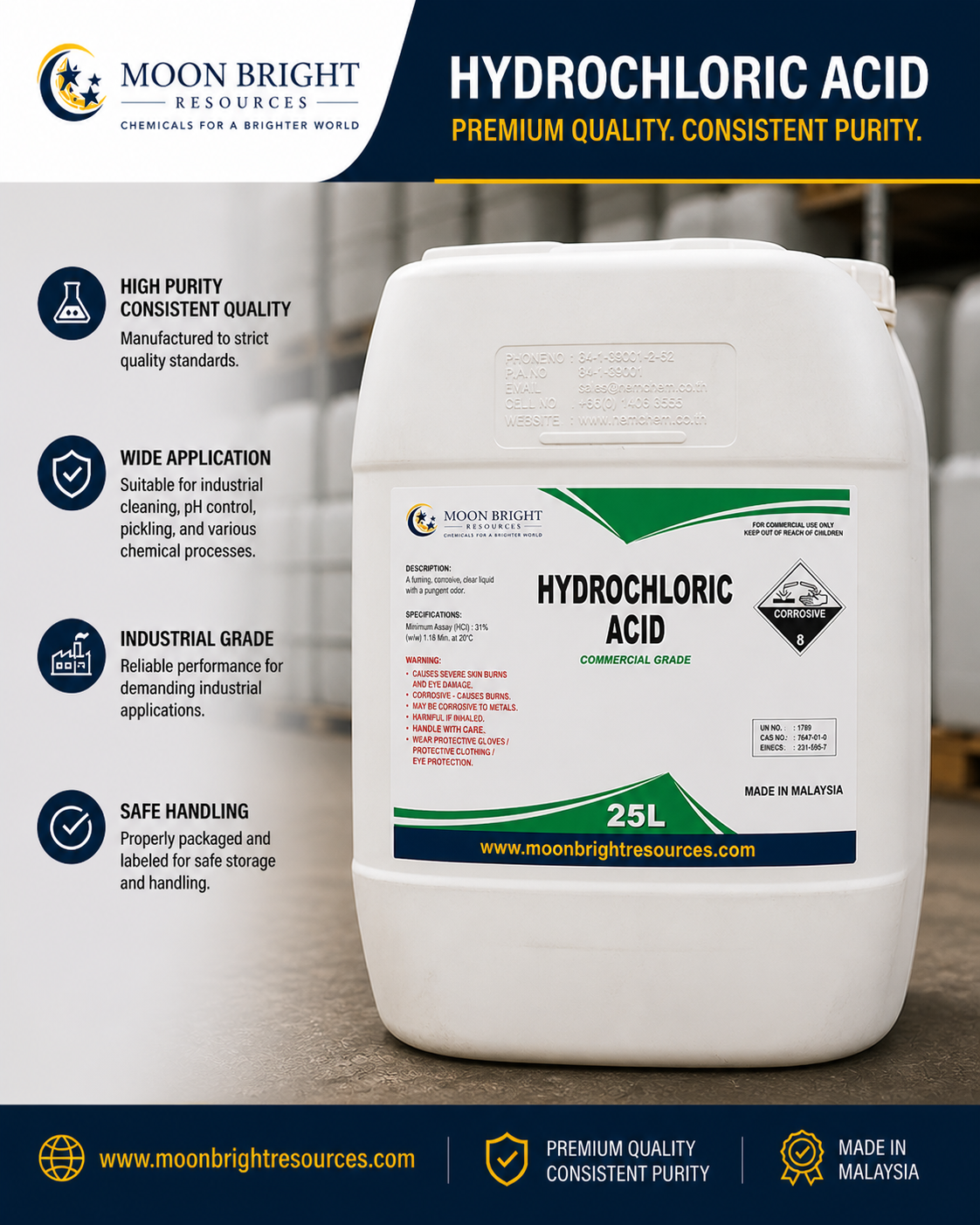
Here’s a short view at key considerations:
- Volume Price Breaks: Significant purchase sizes typically qualify for substantial price lowering.
- Contract Terms: Multi-year contracts generally provide more cost stability.
- Transportation Expenses: Freight rates will considerably change the final price.
- Quality Specifications: Higher grade hydrochloric muriatic acid commands a increased cost.
Finding Regarding Buy Hydrochloric Acid Bulk : Reputable Distributors & Costs
Securing HCl acid in large quantities requires diligent consideration of vendors . Several manufacturing businesses offer this chemical, but selecting a reputable partner is vital. Common options include wholesale industrial distributors , specialty chemical companies , and occasionally manufacturer sales . Expenses vary significantly based on amount purchased , concentration, shipping location , and current conditions . Anticipate prices to range from approximately $ $0.60 to $ $2.50 a gallon for industrial purity, with larger purchases allowing for size savings. Always request bids from various suppliers to assess costs and confirm favorable conditions .
HCl Price Fluctuations: What's Impacting the Sector?
Recent shifts in hydrochloric acid rates have caused significant concern across various sectors . Several conditions are presently fueling these variations . Input costs, particularly associated with chlorine and H2 , have witnessed substantial rises , essentially affecting HCl production expenses . Furthermore, supply chain disruptions , originating in international events and specific limitations , are worsening the predicament . Finally, changes in need from vital utilizing areas like water treatment and chemistry production play a crucial part in affecting the overall sector environment .
- Raw Material costs
- Logistical bottlenecks
- Requirement from utilizing sectors